Optometrist (optician)
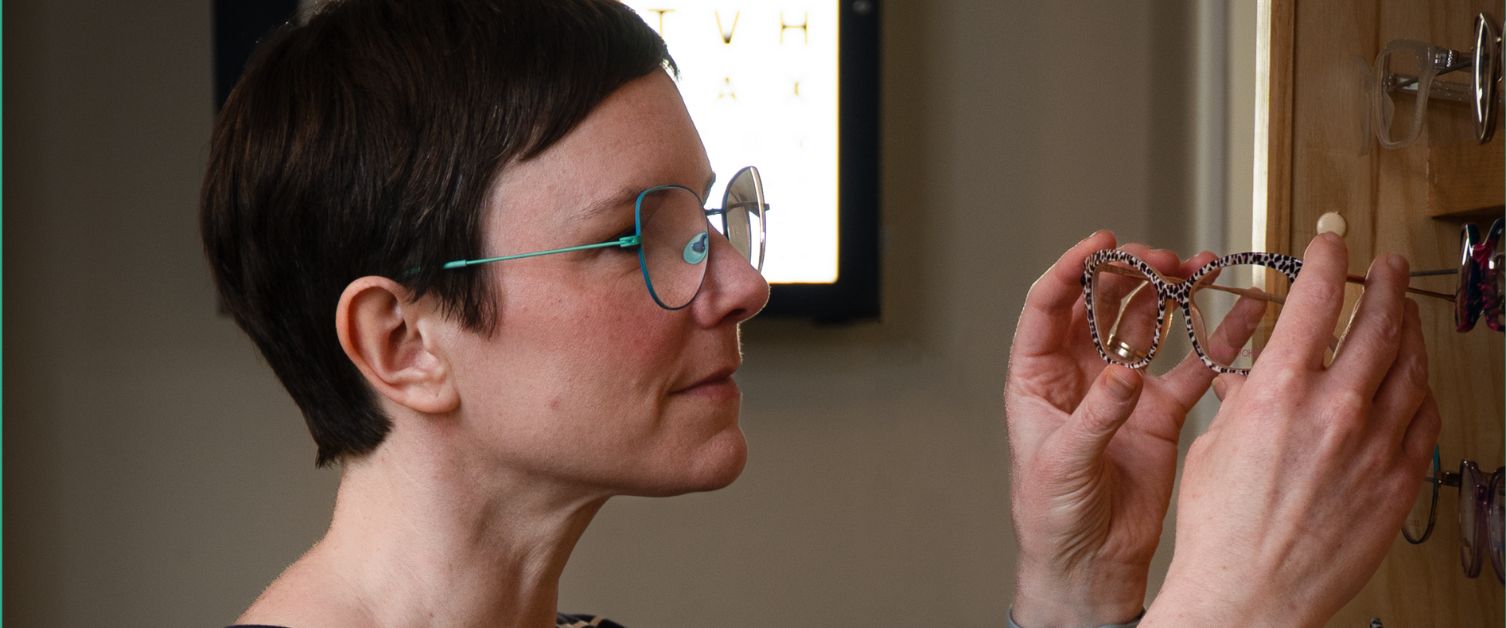
An optometrist, often known as a high-street optician, is a qualified healthcare professional who looks after your eye health and vision in the community.
Optometrists are trained to examine your eyes, identify vision problems, detect eye disease, and manage many eye conditions without the need for a hospital visit. They use specialist equipment to assess both how well you see and the overall health of your eyes.
Your local optometry practice is often the first place to go if you have a concern about your eyes or eyesight.
What can an optometrist help with?
Optometrists can help with a wide range of eye care needs, including:
-
Routine NHS eye examinations
-
Blurred or reduced vision
-
Eye pain, redness, irritation, or discharge
-
Flashes of light or new floaters
-
Dry eye symptoms
-
Eye injuries or sudden changes in vision
Ongoing management of eye conditions such as:
-
glaucoma
-
diabetic eye disease
-
age-related macular degeneration
They can also advise if you need treatment, monitoring, or referral to hospital eye services.
Eye care in Wales – care closer to home
Eye care services in Wales have changed to make it easier for you to access NHS eye care locally.
Many eye problems can now be safely assessed, treated, and monitored in community optometry practices, reducing the need to attend hospital and helping you get care more quickly.
This means:
-
shorter waiting times
-
care closer to where you live
-
hospital appointments reserved for people who really need them
What should I do if I have an urgent eye problem?
If you are worried about your eyes or vision, contact a local optometrist as soon as possible.
You can:
-
contact your usual optometry practice, or
-
contact any optometry practice that is convenient for you
You do not need to be registered with that practice.
NHS-funded urgent eye examination*
If appropriate, your optometrist may offer an NHS-funded urgent eye examination.
During this appointment, the optometrist will:
-
carefully assess your symptoms
-
examine the front and back of your eyes
-
carry out additional tests or scans if needed
Urgent eye examinations are more detailed than routine sight tests and may take longer, as they are focused on identifying the cause of your symptoms.
If you meet the NHS eligibility criteria following clinical assessment, this examination will be free of charge.
* Free of charge for patients who meet NHS eligibility criteria following assessment by an optometrist.
Urgent eye care outside normal hours
If you need urgent advice when optometry practices are closed, contact NHS 111 Wales. They can advise you on the most appropriate next steps and where to access care.
Minor eye problems and your community pharmacist
Some common eye conditions, such as dry eye or conjunctivitis, may be treated by your community pharmacist. Free advice and treatment may be available through the Common Ailments Service, without needing an appointment. Find your local pharmacy here [add link]
NHS eye care services in Wales
Under the Wales General Ophthalmic Service (WGOS), a range of NHS eye care services are available, including:
-
Free NHS routine eye examinations
-
Advanced community eye care, including urgent eye examinations
-
Low vision support for people with reduced sight
-
Referral, filtering, and monitoring services to manage eye conditions safely in the community
-
Independent prescribing, where qualified optometrists can prescribe medication when appropriate
These services ensure patients receive the right level of care, in the right place, at the right time.
The team caring for your eyes
Your local optometry practice is made up of trained professionals working together to support your eye health.
Useful resources
Rydym yn croesawu galwadau ffôn yn Gymraeg, Saesneg a Iaith Arwyddion Prydain (BSL) via SignVideo.
We welcome phone calls in Welsh, English and British Sign Language (BSL) via SignVideo.