Movement
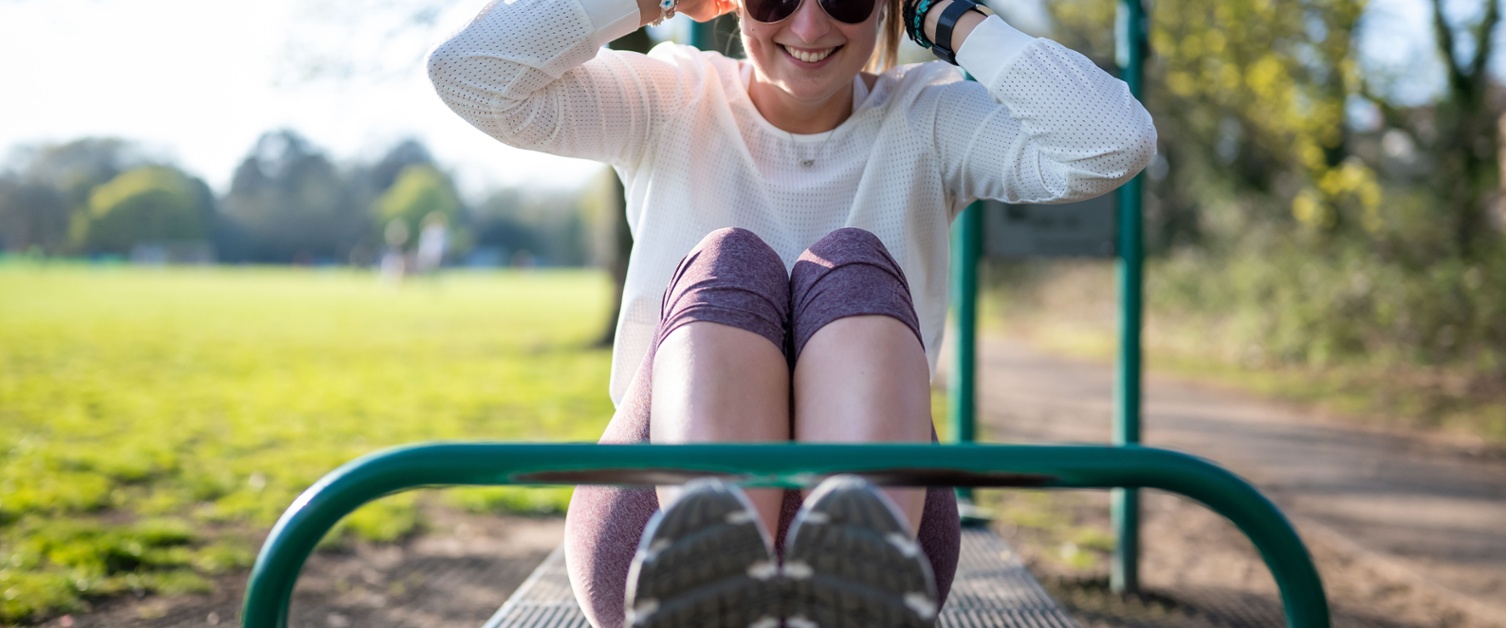
By movement, we mean all kinds of activity that are part of everyday life. This includes physical activity, sport and play, but also walking or cycling for short journeys, taking the stairs, housework, or moving more at work, school or at home.
Why movement matters
Being active helps more than just us as individuals. When we move more:
- It keeps our bodies healthy. Movement helps our heart, muscles and bones stay strong. It lowers our risk of illness and helps us have more energy in everyday life.
- It supports our minds and brings us joy. Being active can lift our mood, reduce stress, and help us think more clearly.
- It helps us connect with others. Moving, whether walking with a friend, playing in the park, or joining a group brings people together and helps us feel part of a community.
- It gives us more independence. Regular movement helps us stay mobile, confident and able to do the things we want to do now and as we get older.
- It’s good for the places we live. If more of us walk, wheel or cycle shorter trips, our streets become safer, cleaner and more pleasant places for everyone to enjoy.
Why it isn’t always easy
Many of us face barriers that make moving more difficult. How our neighbourhoods are designed, how we travel, where we spend our time, the opportunities available to us, and the expectations and norms around daily life all shape how easy or hard it is to be active.
That's why we need to remove the barriers that make movement hard, and build it into everyday life.
Building movement back into daily life
Movement is easier to sustain when it fits into what we already do. We can build movement into everyday life by:
- Sitting less at home or at work by moving little and often
- Walking or cycling for short journeys, such as to the shops, work or school
- Using public transport where possible, and trying to get off the bus a stop earlier
To support this, we are working to build movement back into our day by improving access to opportunities, designing healthier places, and using evidence to understand what our communities need.
OR
To make this easier, we are working to improve access to opportunities, design healthier places, and understand what our communities need.
Finding activities and opportunities near us
We know that even when we want to move more, it can be hard to find out what is available locally. That is why we are developing an Activity Finder for Cardiff and the Vale of Glamorgan. The Activity Finder will bring together information about local activities, clubs, sessions, groups and spaces in one place.
It will help people to:
- Discover activities near where they live or work
- Find options that match their interests, abilities and confidence levels
- Identify free or low-cost opportunities
- Learn about walking groups, community sessions, sports, play opportunities and informal activities
For organisations and community groups, the Activity Finder will make it easier to share what they offer and reach people who could benefit.
Over time, this will also help us build a clearer picture of what is available across our area, where gaps exist, and where additional support or investment is most needed.
Writing movement into planning policy (Local Development Plans)
Alongside supporting people to find opportunities, we are working to ensure that movement is built into the way places are planned and developed.
In Cardiff and the Vale of Glamorgan, we are embedding movement within Local Development Plans and associated planning guidance so that new developments:
- Prioritise walking, wheeling and cycling
- Provide safe, accessible green and open spaces
- Include facilities for play, sport and informal activity
- Are well connected to schools, shops, services and public transport
- Support people of all ages and abilities to be active close to home
We are also helping to write movement into Supplementary Planning Guidance, so that healthy, active design is considered consistently in planning decisions.
Using evidence: the physical activity and sport facilities audit
For the first time, we have completed a physical activity and sport facilities audit for Cardiff. The audit brings together information on indoor and outdoor facilities, parks, pitches, leisure centres and community spaces across the city. It helps us understand what provision exists, where there are gaps, and where future investment could have the greatest impact.
This evidence will be used to:
- Inform planning policy and guidance
- Support decisions about developer contributions
- Guide future investment
- Improve equity of access to opportunities for movement