Types of Parenteral Support
There are different forms of parenteral nutrition and which one you receive depends on many factors. Your NST will decide which bag is suitable for you.
 There are white bags which contain essential fats called lipids. You may start on lipid bags but after a short period this may change. This is because having lipids long term can affect the liver. To prevent this your team may alternate you between lipid bags and clear/straw bags which are fat free and generally higher in glucose to enable you to receive appropriate calories.
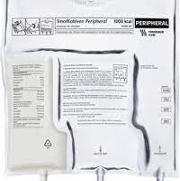 Bags may be standard multichambered bags (pre-made bags suitable for most patients) which can be supplemented with vitamins and minerals if required or compounded bags which are made on an individual basis to match requirements. Compounded bags are usually only given to those with very large stoma outputs or those who need large salt (sodium and potassium) replacements.
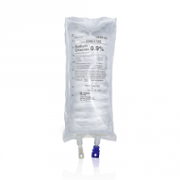 Some patients may only require home parenteral support (HPS) in the form of IV or subcut (SC) fluids with or without salts such as magnesium. This is because your body absorbs the calories and nutrients, but the colon may not have adapted enough to absorb all your fluid and keep you hydrated.
Overtime, your bowel can on occasion adapt and start absorbing more. Your team may alter the type of TPN you have to accommodate this - for example some patients who received compounded bespoke bags may now only require standard bags or vice-versa if your condition changes. In some instances where there are improvements you may be allowed to have nights off HPN, or it may even eventually stop.
There may be occasions where due to situations out of our control your HPN may need to be altered for short periods. This would be no different to if you were going on holiday. Your NST will have a contingency plan if this needs to happen and will only make changes if they feel it is safe to do so. They will let you know if this is the case.
Storage and administration of feeds
If you require either a compounded or supplemented multichambered bag then you will require a fridge in which to store them safely and one will be provided. The feeds should be placed evenly on the shelves and the temperature of the fridge checked daily. You will receive a delivery of feeds and equipment every 1-2 weeks. You will also be provided with an additional bag often referred to as a buffer bag and some additional fluids. This is in case your usual delivery is delayed due to manufacturing problems or weather conditions, meaning you will always have a spare feed in case of emergency.
The feed should be removed from the fridge 1-2 hours before you need it to let it warm to room temperature. The expiry date should be checked and the bag visually inspected for any sedimentation or ice. The feed should be covered to protect it from light once it has been removed from the fridge.
Rydym yn croesawu galwadau ffôn yn Gymraeg, Saesneg a Iaith Arwyddion Prydain (BSL) via SignVideo.
We welcome phone calls in Welsh, English and British Sign Language (BSL) via SignVideo.