Managing your High Output Stoma
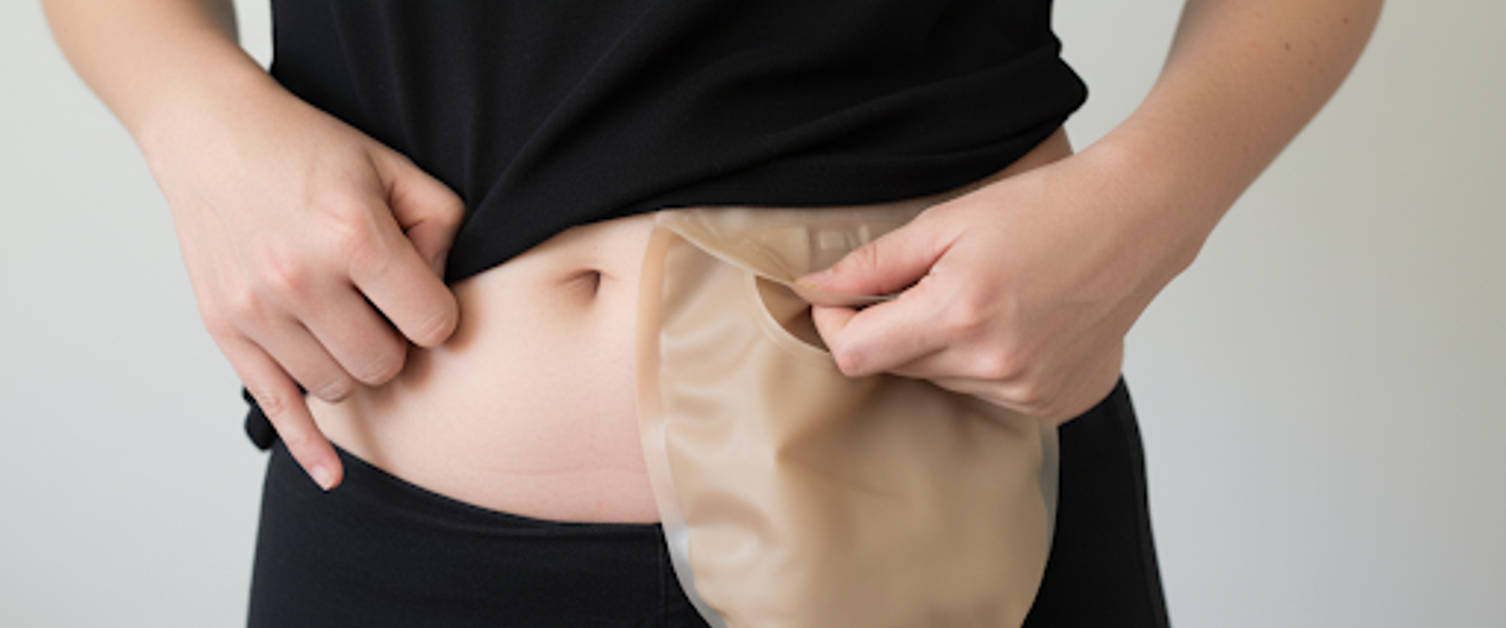
What is a high output stoma?
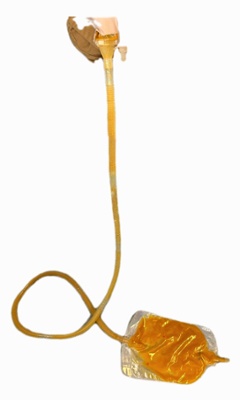
A high output stoma (HOS) is when your stoma output is higher than 1.5-2L in 24hrs and you start to feel dehydrated due to loosing water and bodily salts such a sodium, potassium and magnesium. Not all patients will feel dehydrated with a high output stoma as symptoms of dehydration varies according to what you are eating and drinking. For example, if you drink 4L of fluid and only have a 2L output from your stoma then it means you are absorbing the other 2L and therefore may not feel symptoms of dehydration. However, if you drink 4L and have a 4L stoma output or similarly only drink 500mls but have a 2L output you are more likely to start losing salts and feel dehydrated. This is why monitoring what you are eating and drinking is so important. In simple terms if what's coming out is more then what's going in then you should discuss with your intestinal failure/HPS team.
What causes my high output stoma?
When your large bowel is removed and you have less than 200cm of small bowel you have less surface area to absorb fluids and nutrients. This is the main reason for having a high output stoma. However, if you suddenly find yourself trying to manage a higher output than normal you should seek medical advice. Higher than normal stoma outputs could be attributed to a number of factors the same way that diarrhoea is caused in someone with a fully functional bowel and these are usually easily treatable. Possible causes include -
- Virus or gastric infection
- Changes in medication
- Eating or drinking more than usual
How would I know if I'm dehydrated?
It is important that you recognise the signs of dehydration. Dehydration may result in an acute kidney injury, requiring hospital admission and if frequent or severe may lead to chronic changes or even kidney failure over time.
You may experience the following symptoms if you are dehydrated -
- Feeling Thirsty
- Dry mouth
- Dizziness
- Feeling lightheaded
- Muscle cramps or pain in your hands or feet
- Headache
- Passing less urine than usual or less than 1000mls/1L per day
The colour of your urine is usually a good guide to see how well hydrated you are, and the guide below will help you assess this.
How do I reduce my stoma output?
There are several changes that can be made to reduce your stoma output, click on the highlighted changes below to see further information, these include:
- Dietary changes - low fibre diet
- Increasing salt intake
- Restricting the amount of fluid you drink
- Drinking an appropriate oral rehydration solution
- Taking medication as prescribed
Dietary Advice
The better you follow all the dietary advice below the lower the output from your stoma will be. This will help to reduce your overall fluid and electrolyte imbalance and may reduce the volume of feeds you need each day or the number of feeds you need each week. If you have a wound or fistula restricting your oral intake will also help your wound to heal.
General
- Sit down to eat, chew food well and eat slowly
- Avoid drinking at/around meals as this may flush the food through a lot quicker
- Avoid eating later in the evening as this can increase stoma output overnight which may disturb your sleep
- Avoid spicy food
- Avoid eating boiled sweets or chewing gum
- Avoid large intakes of very fatty or fried foods
Increase Salt
You can increase your salt intake by adding around 1/2-1tsp of salt to your meals or choosing foods from the following list:
- Salted crisps
- Bovril/oxo/marmite/soy sauce
- Bacon/ham
- Salted biscuits/crackers
- Pretzels
- Cheese
Include starchy carbohydrate foods which are low in fibre
Carbohydrates such as white bread, chapattis and low fibre cereals such as rice crispies and cornflakes, skinless potatoes, green bananas and yam can all help to reduce your stoma output. If you are not diabetic and don't have a short bowel you could also try Jelly babies, jelly or marshmallows. Click here - Fibre and High Output Stomas if you would like to see a list of foods you should eat and avoid.
Fluids
If you have a high output stoma some of the fluids you drink will not be absorbed and will pass straight out of your body via your stoma. This can result in you feeling dehydrated. Naturally, you will want to drink more. However, drinking too much of certain types of fluid will only increase your stoma output further, making you thirstier and more dehydrated.
Fluids can be categorized into three types -
- Isotonic Fluids - Rehydration fluids such as St Marks and Dioralyte and fluids rich in salt such as Oxo, Bovril and marmite.
- Hypotonic Fluids - Tea, Coffee, diet drinks, water and squash
- Hypertonic - juice, alcohol, energy drinks, fizzy drinks
Both hypotonic and hypertonic fluids bring salt from your body into your bowel. Hypertonic fluids also push water from your body into the bowel. Once salt and water enter the bowel you lose it through your stoma. The aim is to try and hold salt and water in the body and therefore we may suggest a restriction of these types of fluids to around 500-1000mls a day. Your nutrition support team will discuss fluid restrictions with you if deemed necessary.
Handy hints for keeping to a daily fluid allowance:
- Start the day with an empty measuring jug. For each drink you have, put the same amount of water into the jug so that you can monitor your fluid intake over the day or keep a fluid intake chart
- Spread your drinks throughout the day using small cups or small mugs. Try using a bottle with a sports cap to help you to take smaller sips or freeze a bottle of water and sip it as the ice melts throughout the day
- Try to limit drinking with meals, save fluid for when you are actually thirsty
- Sucking on an ice cube or ice lolly can be more satisfying as they last longer than a drink
- Use reusable ice cubes in drinks
- Plan ahead: set aside some fluid allowance for when you go out
- Have toast instead of cereal for breakfast to avoid the milk
- Eat smaller portions of desserts high in fluid
- Check which of your medications can be taken with food to avoid drinking extra fluid
- To moisten your mouth, try brushing your teeth or rinsing your mouth with alcohol-free mouthwash or ice-cold water but do not swallow
- Artificial saliva products such as gels may be available on prescription from your GP and can help moisten your mouth.
Rydym yn croesawu galwadau ffôn yn Gymraeg, Saesneg a Iaith Arwyddion Prydain (BSL) via SignVideo.
We welcome phone calls in Welsh, English and British Sign Language (BSL) via SignVideo.