Intestinal Failure Surgery - What to expect!
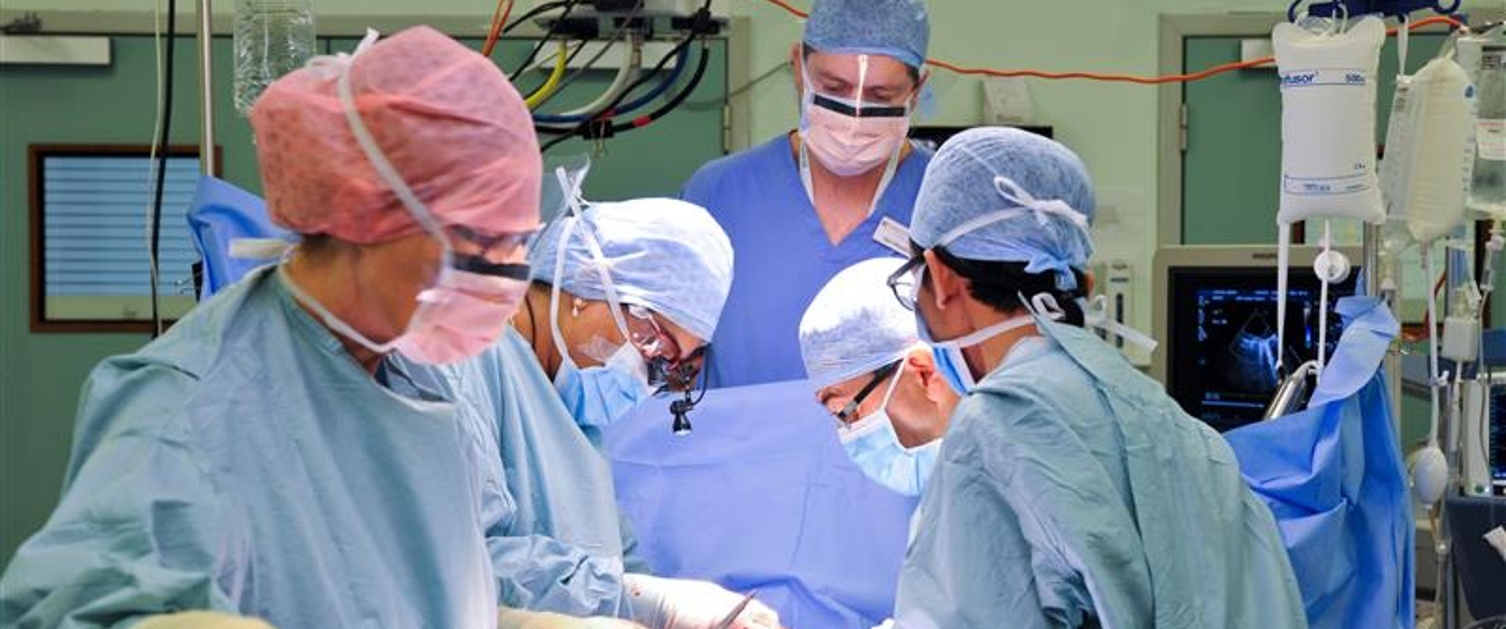
Intestinal surgery may be recommended to treat the cause of intestinal failure. Procedures may involve removing a damaged or diseased section of bowel, relieving an obstruction or creating a safe way for waste to leave the body (a stoma), repairing fistulas, reconstructing the digestive tract or performing bowel lengthening techniques to improve absorption. The aim of surgery is to restore or improve gut function, reduce complications and, where possible, decrease reliance on Home Parenteral Support (HPS).
The operation is planned carefully by your surgical and nutrition teams, considering your overall health, nutritional status and personal goals. Open surgery is often required to be undertaken in the vast majority of cases, however keyhole (laparoscopic) surgery may be undertaken in a very select number of patient cases, depending on your condition and previous operations.
Before the operation you will have several tests (including bloods tests and radiology scans) and a preoperative assessments to check your fitness for surgery; you may be asked to stop certain medicines and to follow special instructions about eating, drinking and bowel preparation. On the day of surgery, you will meet the anaesthetist to discuss pain control and the immediate plan.
After the operation you can expect a period of close monitoring in hospital. Pain will be controlled with medicines, and staff will check your wounds, drains and stoma (if one is formed). Your bowel may take time to start working again — you may have a drip for fluids and nutrition at first and a gradual return to oral intake as your gut recovers. Typical hospital stays vary but are usually several days to a week or more depending on the procedure and how quickly you recover.
Common early issues include tiredness, reduced appetite, changes in bowel habit, and wound discomfort; your bowel may be more frequent or irregular for weeks while it adapts. Possible complications (which your team will explain) include infection, bleeding, blood clots, wound problems, or problems with the bowel join such as a leak; if a stoma is formed you will receive stoma care training. If you already need or may need parenteral nutrition, the nutrition team will plan this with you before and after surgery.
Before you leave hospital, you will get written discharge advice about wound care, medicines, diet, activity limits (avoid heavy lifting while your abdomen heals), and follow-up appointments. You will be given clear instructions on who to contact if you have a fever, increasing pain, wound redness or drainage, vomiting, or other worrying symptoms. Recovery at home takes time — expect to be tired and to build activity up slowly over weeks to months, with regular clinic reviews and blood tests as needed.
What to Bring to your Surgical appointment: a list of current medicines, any questions about the surgical management of your care, and contact details for your carer or next of kin. Your surgical and nutrition teams are there to support you and will explain the specific risks and benefits for your situation.
Rydym yn croesawu galwadau ffôn yn Gymraeg, Saesneg a Iaith Arwyddion Prydain (BSL) via SignVideo.
We welcome phone calls in Welsh, English and British Sign Language (BSL) via SignVideo.